 Arcdh Arc – Association for Human Rights of Azerbaijanis of Iran "ArcDH"

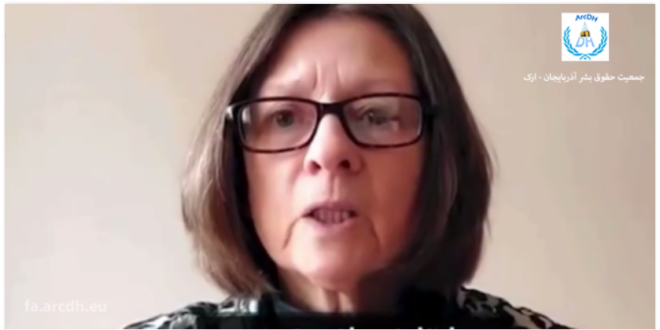
At the 61st session of the United Nations Human Rights Council, a statement delivered on behalf of the Association for the Human Rights of Azerbaijanis in Iran (ARCDH) highlighted serious concerns regarding possible crimes against humanity and the treatment of detainees in Iran following the January 2026 protests.
In the statement, ARCDH expressed regret that it had been unable to fully document alleged crimes due to internet shutdowns and other disruptions imposed by Iranian authorities during the protests. The organization noted that these restrictions have significantly hindered independent documentation and reporting efforts.
ARCDH also raised alarm over the fate of civil society members and activists arrested during and after the protests in Iranian Azerbaijan, warning that their continued detention raises concerns that they could be used as human shields.
The statement further reiterated longstanding concerns about systemic discrimination against Azerbaijanis in Iran. According to ARCDH, these include the continued denial of education in the mother tongue, the persistence of child marriage, exploitation of natural resources, and environmental policies such as the drying of Lake Urmia, which have negatively impacted social cohesion and the livelihoods of local communities.
In addition, ARCDH expressed concern over the conditions of Azerbaijani prisoners held in Evin Prison, naming Abbas Lisani, Yusef Kari, Murtaza Parvin, and others. The organization reported that detainees are being held in extremely concerning conditions, without adequate access to hygiene, water, or food.
ARCDH concluded by recalling Iran’s obligations under international standards, including the United Nations Standard Minimum Rules for the Treatment of Prisoners (the Nelson Mandela Rules), and called for increased international scrutiny and action regarding the situation.